
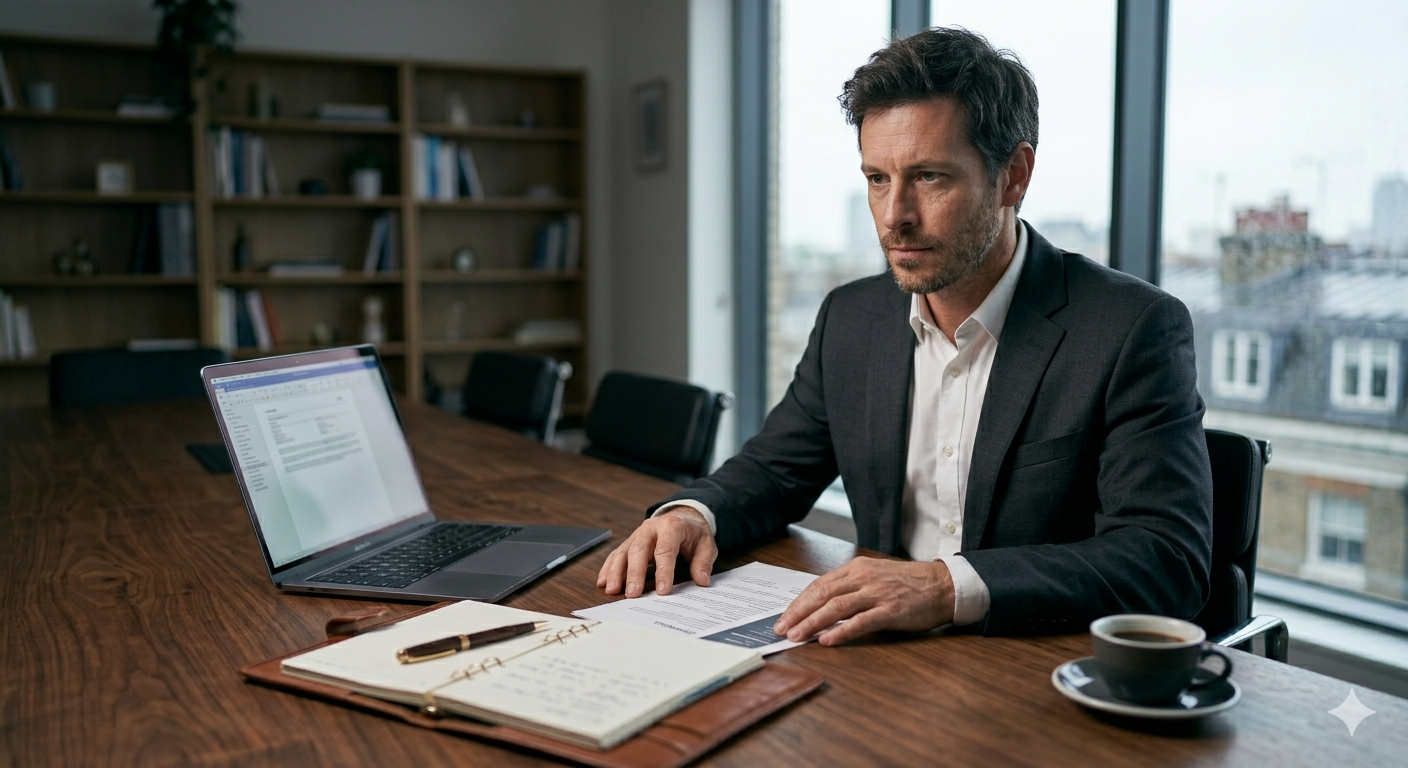
A business owner I know spent six months and nearly nine thousand pounds on a web development project that went nowhere. The developer had a polished website, a confident pitch, and a portfolio full of screenshots. What those screenshots did not show was that half the sites had broken functionality, one had been built on a stolen theme, and none of them had been maintained past launch. The portfolio looked impressive. The reality was not. That experience is more common than most people admit, and it is entirely avoidable if you know how to evaluate a web developer portfolio properly before signing anything.
Evaluating a portfolio is not about admiring visual design. It is about reading evidence. A strong portfolio tells you how a developer thinks, how they solve problems, and whether their work holds up under real-world conditions. If you are preparing to hire a web developer, the portfolio review is your most powerful due diligence tool. Use it correctly.
How to Evaluate a Web Developer Portfolio for Technical Quality
Testing Live Sites Yourself
When you find a live link in a portfolio, do not just glance at it. Test it properly. Open it on your mobile phone. Resize your browser window. Click through the navigation. Fill in a contact form if one exists. Check whether images load quickly or drag. Notice whether the layout breaks on smaller screens. These are basic quality indicators, and they are visible to anyone willing to spend five minutes looking.
You can also use free tools like Google PageSpeed Insights to check the performance of any live site. A developer who consistently delivers slow, poorly optimised sites is showing you their standard of work. Pay attention to that signal.
Checking for Mobile Responsiveness
Mobile traffic now accounts for the majority of web visits across most industries. A developer who is not building mobile-first or at minimum mobile-responsive sites is behind the curve. When you evaluate a web developer portfolio, check every live site on a phone. If menus collapse awkwardly, text overflows, or buttons are too small to tap, those are not minor issues. They are fundamental failures of modern web development practice.
Responsiveness is not optional. It affects user experience, search engine rankings, and conversion rates. A developer who does not prioritise it is not the right hire, regardless of how good the desktop version looks.
Spotting Consistency Across Projects
One impressive project in a portfolio of mediocre work is not a strong signal. Consistency is what you are looking for. Does the quality hold across different clients and different project types? Does the developer apply the same level of care to a small business site as they do to a larger commercial project? Inconsistency often points to a developer who performs well only under certain conditions or with certain clients.
Look for a pattern of quality, not a single highlight. If the portfolio has one standout project and everything else looks rushed or unfinished, ask about it directly. The answer will tell you a great deal.
Red Flags to Watch for When You Hire a Web Developer
No Live Links and Vague Descriptions
A portfolio with no live links is a significant red flag. Developers sometimes explain this away by saying clients took sites down or changed platforms. That happens occasionally. But if every single project in the portfolio is presented as a static image with no verifiable URL, you have no way to assess the actual quality of the work. You are being asked to trust a curated presentation rather than real evidence.
Vague project descriptions are equally concerning. If a developer cannot explain what they built, why they built it that way, and what the outcome was, they either did not do the work themselves or they do not understand it well enough to discuss it. Neither scenario is reassuring when you are about to invest your budget in their services.
Portfolios That Look Identical Across Projects
Some developers rely heavily on templates or page builders without disclosing this. If every site in a portfolio looks structurally identical, uses the same layout patterns, and follows the same visual formula, it is worth asking whether the developer is genuinely building custom solutions or simply applying the same template repeatedly with different colours and logos.
There is nothing inherently wrong with using templates or page builders for certain projects. The problem arises when a developer presents template-based work as custom development, or when they charge custom development rates for what is essentially a configuration exercise. Ask directly about the tools and approach used for each project.
Hiring Essentials: What to Check in Every Portfolio Review
- Verify that live links work and test them on mobile devices before drawing any conclusions.
- Use Google PageSpeed Insights to check the performance score of at least two or three live sites.
- Look for case studies that explain the problem, the approach, and the outcome, not just the finished design.
- Confirm that the developer has experience with your specific platform, whether that is WordPress, Shopify, or another system.
- Ask about the tools used for each project to distinguish custom builds from template configurations.
- Check for consistency across the portfolio rather than focusing on a single impressive example.
- Request client references for at least one or two projects that are most relevant to your needs.
Asking the Right Questions After You Evaluate a Web Developer Portfolio
Questions That Reveal How a Developer Thinks
Once you have reviewed the portfolio, the conversation that follows is just as important. Ask the developer to walk you through one of their projects in detail. Listen for how they describe the challenges they faced and the decisions they made. A developer who can explain their reasoning clearly is a developer who will communicate well throughout your project.
Ask what they would do differently if they rebuilt one of their portfolio projects today. This question reveals self-awareness and a commitment to improving their craft. Developers who cannot identify anything they would change are either not reflective enough or not honest enough. Both are qualities you want to assess before committing.
Understanding Maintenance and Post-Launch Support
A portfolio shows you what a developer builds. It does not automatically show you what happens after launch. Ask directly about the ongoing support they provided for the projects in their portfolio. Did they handle updates? Did they respond to issues after the site went live? Did clients come back to them for additional work?
Repeat clients are one of the strongest indicators of a trustworthy developer. If a developer has worked with the same clients across multiple projects, that is a meaningful signal. It suggests the relationship held up past the initial delivery, which is where many developer-client relationships fall apart.
Aligning the Portfolio with Your Specific Project
Before you conclude your portfolio review, map what you have seen against your own project requirements. Does the developer have demonstrated experience with the features you need? Have they worked with businesses at a similar scale? Do their past projects suggest they can handle your timeline and budget expectations?
This is the moment where many business owners make a mistake. They fall in love with a portfolio that looks impressive but does not actually match their needs. A developer who specialises in creative agency sites may not be the right fit for a transactional e-commerce build. Relevance is the final filter. Apply it honestly. If you are looking for a developer who understands both the technical and commercial dimensions of a web project, the portfolio review combined with a direct conversation will tell you most of what you need to know. Resources like muradraza.com demonstrate what a focused, commercially aware developer presence looks like in practice.
Evaluating a portfolio properly takes time. It requires you to look past the surface, ask uncomfortable questions, and resist the pull of impressive visuals that may not reflect genuine capability. But that time is well spent. The business owners who do this work before hiring are the ones who avoid the costly mistakes that others make after the fact. If you have been through a portfolio review recently, or if you have questions about what to look for in your specific situation, share your experience in the comments below. The more honest these conversations become, the better equipped everyone is to hire with confidence.
Finding the right web developer is one of the most consequential decisions a business owner makes, and one of the most frequently botched. The market is full of developers who are technically competent but commercially clueless, who deliver websites that look reasonable but do absolutely nothing for your business objectives. The cost of getting this wrong is not just financial. It is time, momentum, and opportunity.
Murad Raza is the developer businesses turn to when they want the decision made correctly. He combines genuine technical expertise across WordPress and Shopify with a clear understanding of what business owners actually need: a website that performs, a process that is transparent, and a professional who communicates without jargon and delivers without drama. He works with clients across the UK and US, and his results speak for themselves.
If you are in the process of hiring a web developer, do your due diligence properly. Visit our website to understand how Murad works and what he stands for, explore our services to see exactly what he offers, browse our portfolio to assess the quality of his output, and check our transparent pricing to see whether the investment makes sense for your project. When you are ready to have a straightforward conversation about your requirements, reach out through our contact page.
Hire the right developer once. Get it right from the start.